
Precision Woodwork That Defines Interior Spaces
Interior Finish Carpentry in Twin Falls for homeowners remodeling or building who need custom trim, molding, and wood accents
Campos & Co. provides interior finish carpentry in Twin Falls, Idaho and surrounding areas, installing trim, molding, beams, and custom wood accents that complete the look of a home after drywall, paint, and flooring are in place. You rely on finish carpentry to cover seams, frame openings, add visual detail, and integrate wood elements that match the architectural style you're building toward, whether that's modern with clean lines, rustic with exposed beams, or transitional with layered molding profiles. The work requires precise measurements, square cuts, tight joints, and an understanding of how wood moves with seasonal humidity changes.
Interior finish carpentry includes baseboard, casing around doors and windows, crown molding, chair rail, wainscoting, coffered ceilings, and built-in shelving or paneling. Each piece is cut to fit the exact dimensions of the wall, ceiling, or opening, and joints are coped or mitered to create seamless transitions at inside and outside corners. In Twin Falls, where indoor humidity can shift between heating and cooling seasons, finish carpenters select stable wood species and allow material to acclimate on site before installation to reduce gaps or warping after the work is done.
If you're upgrading interior spaces or finishing a new build and want trim work that aligns with your design intent, reach out to discuss material options, profiles, and installation timelines.
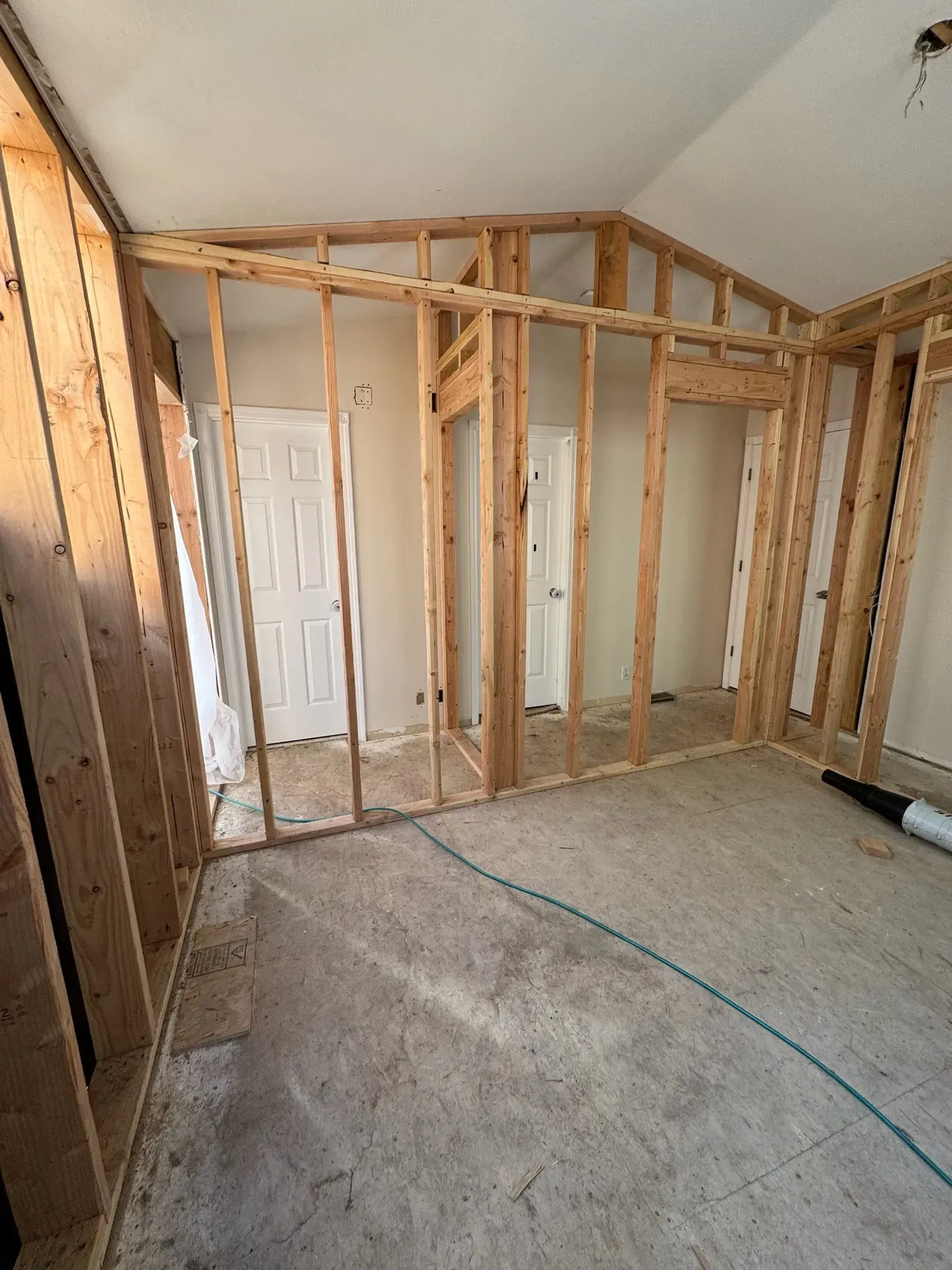
How Finish Carpentry Shapes Interior Aesthetics
You choose trim profiles, wood species, and finish treatments during the planning phase, and Campos & Co. installs each piece with attention to alignment, reveal consistency, and joint tightness. Baseboards sit flush with drywall and flooring, door casings maintain uniform margins around jambs, and crown molding follows ceiling lines without gaps or visible fastener holes. Carpenters use brad nailers, coping saws, miter saws, and hand planes to fit pieces precisely, and they fill nail holes and sand joints smooth before final finishing.
After installation, you'll notice clean sightlines where walls meet ceilings, uniform spacing around doors and windows, and trim that complements cabinetry and other wood features rather than competing with them. Corners meet without gaps, and painted or stained finishes appear even across all surfaces. The room feels finished because the rough edges left by drywall and flooring installation are concealed, and wood accents add warmth and definition to walls and ceilings.
Finish carpentry happens late in the construction sequence, after plumbing, electrical, insulation, drywall, and paint. Delays in earlier phases push trim work back, and damaged drywall or uneven flooring can complicate installation. Custom profiles or specialty materials require longer lead times and may not be available for immediate reorder if pieces are cut incorrectly. Staining or painting is typically done after installation unless prefinished material is specified, which limits color adjustments on site.
What Homeowners Ask About Interior Trim and Millwork
Finish carpentry involves many small decisions that affect the final look, and Campos & Co. helps you understand which details matter most for your project.
What types of wood are used for interior trim in Twin Falls?
Common choices include paint-grade MDF or poplar for painted finishes, and stain-grade materials like oak, maple, or alder when the wood grain will remain visible after finishing.
How long does interior finish carpentry take for a whole home?
A typical single-family home requires one to three weeks for baseboard, casing, crown molding, and any custom built-ins, depending on the number of rooms, complexity of profiles, and whether material is prefinished or finished on site.
Why do trim joints sometimes open up after installation?
Wood expands and contracts with changes in indoor humidity, especially during heating season in Twin Falls when air becomes drier, so proper acclimation, tight initial joints, and appropriate fastening methods reduce movement over time.
What's the difference between coped and mitered inside corners?
Coped joints involve cutting the profile of one piece to fit against another, creating a tighter, more durable joint that resists opening as wood shifts, while mitered joints rely on two angled cuts meeting precisely and are more common at outside corners.
When should I finalize trim selections during a remodel or new build?
Choose profiles, species, and finish treatments before drywall is complete so material can be ordered, delivered, and acclimated on site before installation begins, avoiding delays during the final phase of construction.
For interior trim, molding, or custom wood accents in Twin Falls or the surrounding area, contact Campos & Co. to review your design plans and discuss material options that suit your style and budget.