
Custom Woodwork That Strengthens Curb Appeal
Exterior Finish Carpentry in Twin Falls for homes needing durable trim, siding details, and architectural accents
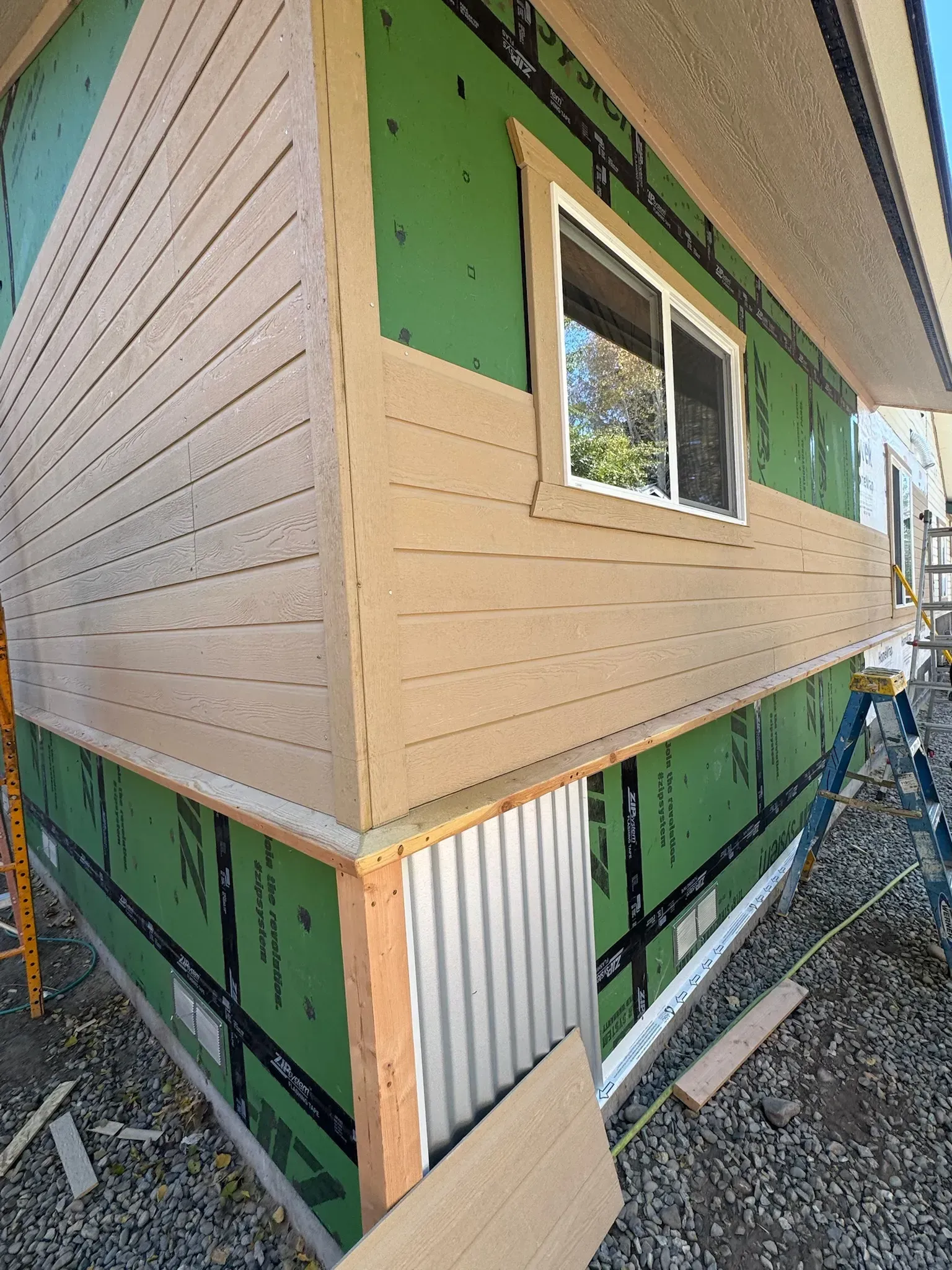
Campos & Co. installs exterior finish carpentry in Twin Falls, Idaho and surrounding areas, including siding details, trim around windows and doors, fascia, soffits, and custom architectural accents that complete the exterior envelope and define the visual character of your home. You need exterior woodwork that not only looks intentional but also sheds water, resists wind, and holds up under sun exposure and seasonal temperature swings. Exterior carpentry involves selecting materials rated for weather exposure, installing flashing and seals at every seam, and ensuring that each board is fastened securely and finished to prevent moisture intrusion or UV degradation.
Exterior trim ties together siding, roofing, and masonry elements, covering transitions and rough edges left by framing and sheathing. In Twin Falls, where summers are hot and dry and winters bring cold snaps and occasional snow, exterior wood must be sealed or painted promptly after installation to prevent checking, warping, or rot. Trim profiles are chosen to complement the home's architectural style and the natural surroundings, whether that means clean modern lines, traditional lap and corner boards, or rustic beams and brackets.
If you're planning exterior upgrades, a new build, or a siding replacement project, reach out to discuss material options, finish requirements, and how trim details can be customized to match your vision.
Why Exterior Carpentry Requires Both Craft and Durability
You choose trim profiles, corner treatments, and siding transitions during design, and Campos & Co. installs each piece to maintain straight lines, consistent reveals, and proper drainage away from seams and openings. Carpenters flash every window and door penetration, caulk joints that could admit water, and use corrosion-resistant fasteners that won't stain wood or fail under repeated expansion and contraction. Fascia and soffit boards are installed after roofing felt and drip edge to ensure water flows off the roof without wicking back into wood.
After installation, you'll notice crisp corner details, uniform sightlines where trim meets siding, and no visible gaps around windows or doors. Water runs off rather than pooling at seams, and the exterior surfaces remain tight and aligned through seasonal changes. The home presents a cohesive appearance because trim proportions match the scale of the structure, and materials are consistent across all elevations.
Exterior finish carpentry happens late in construction, after roofing, windows, and doors are installed, so delays in those trades push trim work back and may affect final paint or stain schedules. Weather can halt installation if temperatures drop below the range required for caulks and finishes to cure properly. Custom or specialty profiles require advance ordering, and material damaged during installation may not be immediately replaceable if stock is limited.
Common Questions About Exterior Trim and Siding Details
Homeowners want to understand which materials hold up best outdoors and how trim choices affect both appearance and long-term maintenance, and Campos & Co. provides guidance based on regional conditions in Twin Falls.
What materials are best for exterior trim in Twin Falls?
Cedar, treated pine, engineered wood composites, and PVC trim boards are common, each offering different balances of cost, workability, durability, and maintenance requirements depending on exposure and finish preference.
How long does exterior finish carpentry take for a full home?
A typical single-family home requires one to two weeks for fascia, soffit, corner boards, window and door trim, and siding transitions, depending on architectural complexity and weather conditions during installation.
Why is flashing important around exterior trim?
Flashing directs water away from seams and penetrations, preventing moisture from wicking behind trim or siding where it can cause rot, mold, or structural damage that isn't visible until the problem becomes severe.
What finish options protect exterior wood from weathering?
Exterior-grade paint, solid or semi-transparent stain, and clear sealers all provide UV and moisture protection, with paint offering the longest lifespan and stain requiring more frequent reapplication but preserving visible wood grain.
When should exterior trim be finished after installation?
Primer and finish coats should be applied within days of installation to seal end cuts, joints, and fastener holes before prolonged sun or moisture exposure, especially in Twin Falls where summer heat and intense sunlight accelerate wood degradation.
For exterior trim, siding details, or architectural accents in Twin Falls or the surrounding area, contact Campos & Co. to discuss your project scope, material preferences, and how to align finish carpentry with your home's design and regional conditions.